رؤى تكنوبليكرؤى للمهندس الرقمي
رؤى للمهندس الرقمي
المعاصر.
استكشف الغوص العميق في تطوير الويب المتكامل، التوجيه المتقدم في Next.js، تحسين معدل التحويل للتجارة الإلكترونية، والاستراتيجيات التقنية التي تقود نمو الأعمال الحديثة.
استكشف الغوص العميق في تطوير الويب المتكامل، التوجيه المتقدم في Next.js، تحسين معدل التحويل للتجارة الإلكترونية، والاستراتيجيات التقنية التي تقود نمو الأعمال الحديثة.
قارئ شهرياً
مقالات تقنية جديدة
أدلة التطوير
تكتيكات تحسين معدل التحويل وتحسين محركات البحث
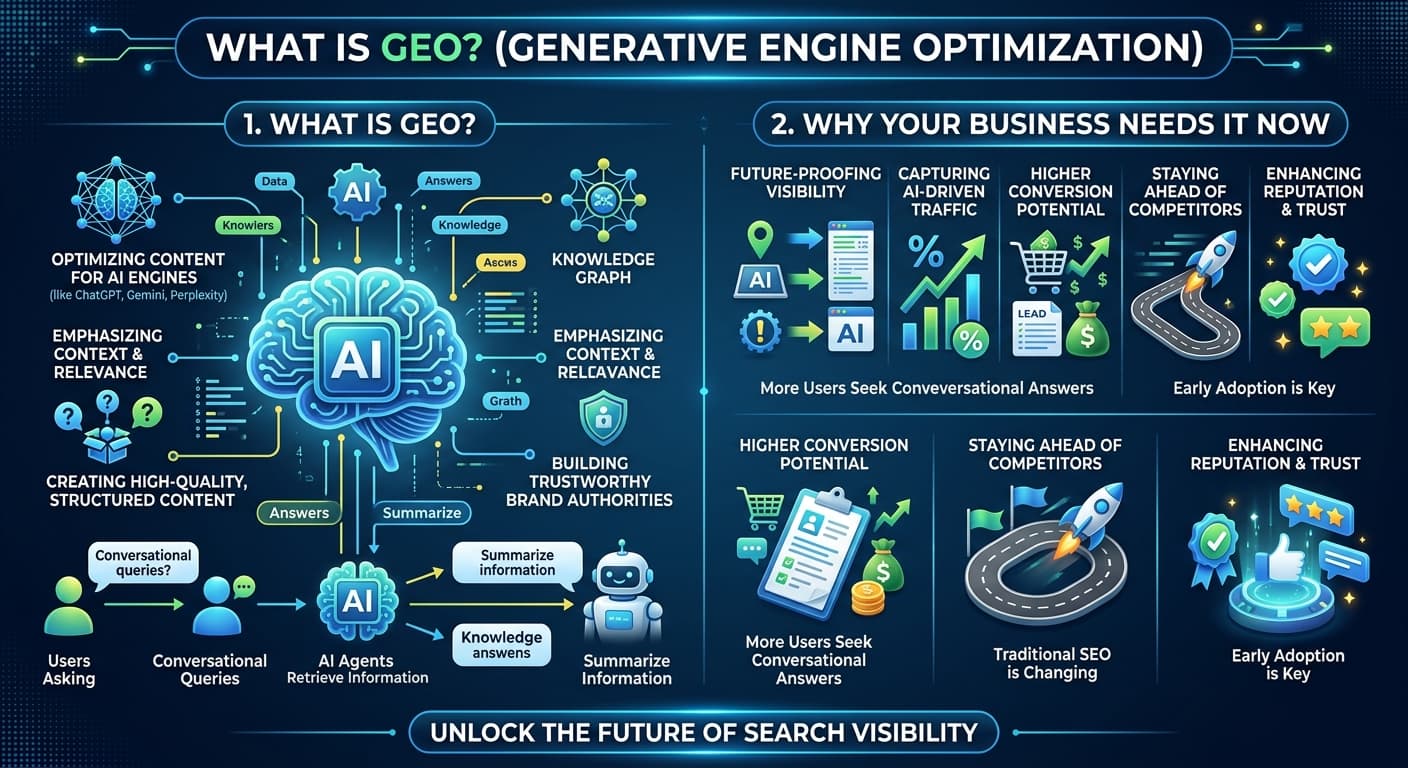
AI Overviews just cut organic click-through rates by more than half. This post explains what generative engine optimization actually is, what the ranking guides leave out, and where to spend your time first.

Launched on January 1, 1985, the .com domain is one of the most widely used and recognized domain extensions on the internet. A domain extension, also known as a top-level domain (TLD), is the last part of a web address, such as .com, .org, or .net. Originally intended for commercial businesses, the .com extension has evolved into a versatile choice for all types of websites, making it the default domain extension for many.
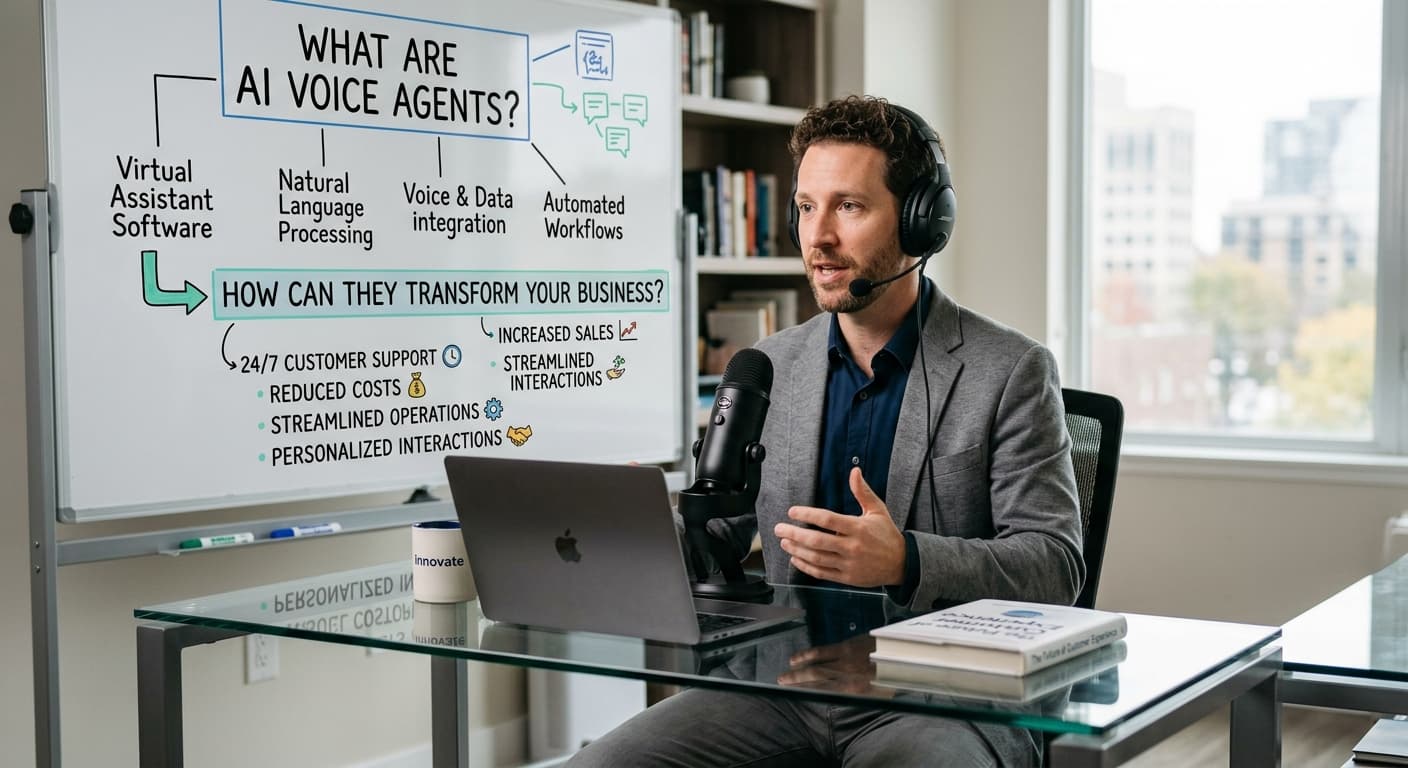
AI voice agents are not just fancy IVR menus. They're a three-part pipeline of speech recognition, language models, and speech synthesis, and getting them right means solving problems most vendors don't mention: latency, hallucination, and compliance.

Until recently, the frontend framework running under the hood of TechnoBlick was Preact. We paired it with Next.js — our chosen framework for core app features like server-side rendering (SSR), routing, and data fetching. Preact's small size and compatibility with Next.js made it a logical choice at the time.
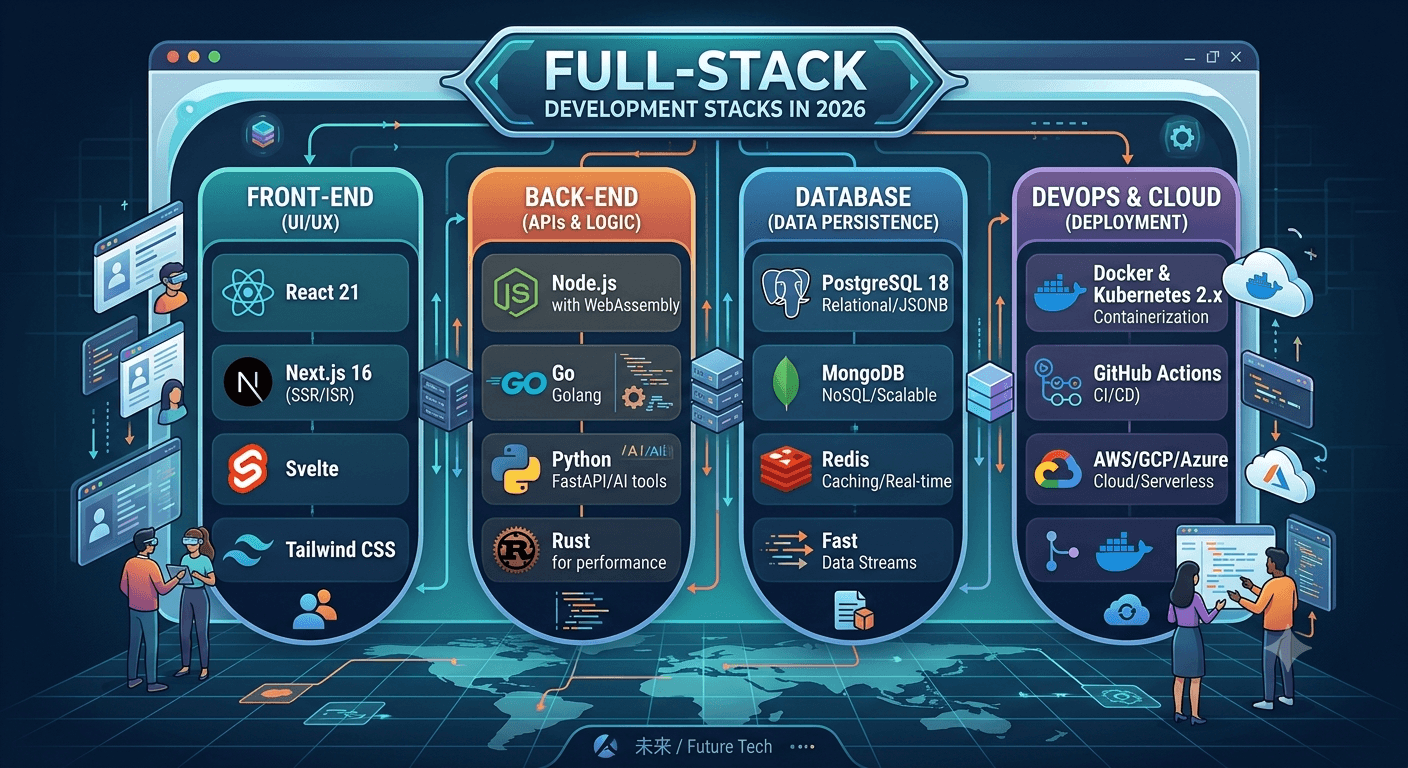
Full-stack development is evolving rapidly, making it essential for developers and businesses to choose technologies that are scalable, secure, and future-ready. In this guide, we'll explore the best front-end, back-end, database, and DevOps technologies for building modern web applications in 2026.
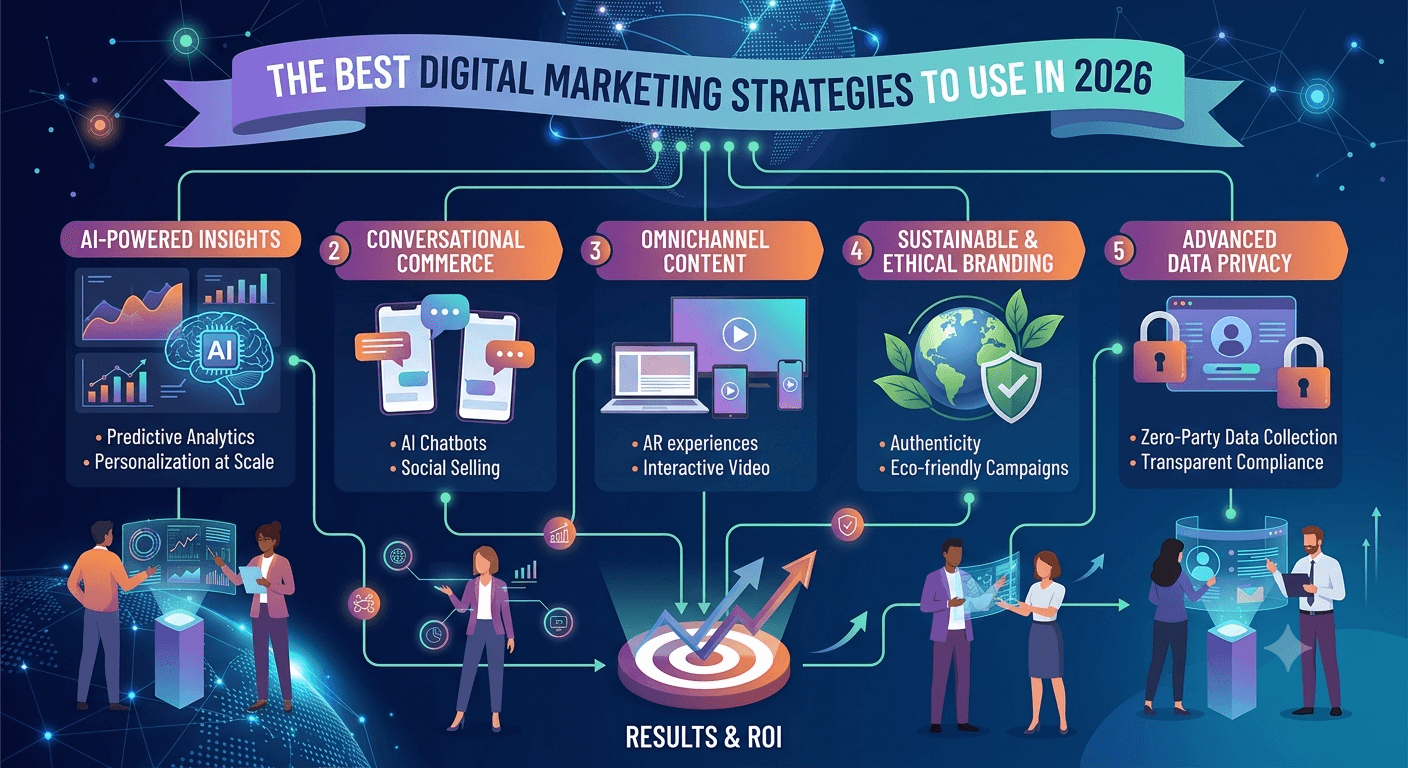
Digital marketing continues to evolve rapidly, adapting to new technologies, consumer behavior, and industry trends. As businesses strive to stay competitive, leveraging the most effective digital marketing strategies in 2025 is essential. This year, artificial intelligence, data-driven insights, and immersive content experiences are taking center stage. In this comprehensive guide, we will explore the most powerful digital marketing approaches that brands should embrace to maximize their online presence and engagement.

Search engine optimization (SEO) continues to evolve, and staying ahead of the curve is essential for businesses and content creators looking to maintain or improve their rankings. As Google’s algorithms become more sophisticated, ranking higher requires a combination of technical expertise, high-quality content, and user-focused strategies. In this guide, we’ll explore the most effective SEO strategies for 2025 that will help you dominate search results and drive organic traffic to your website.
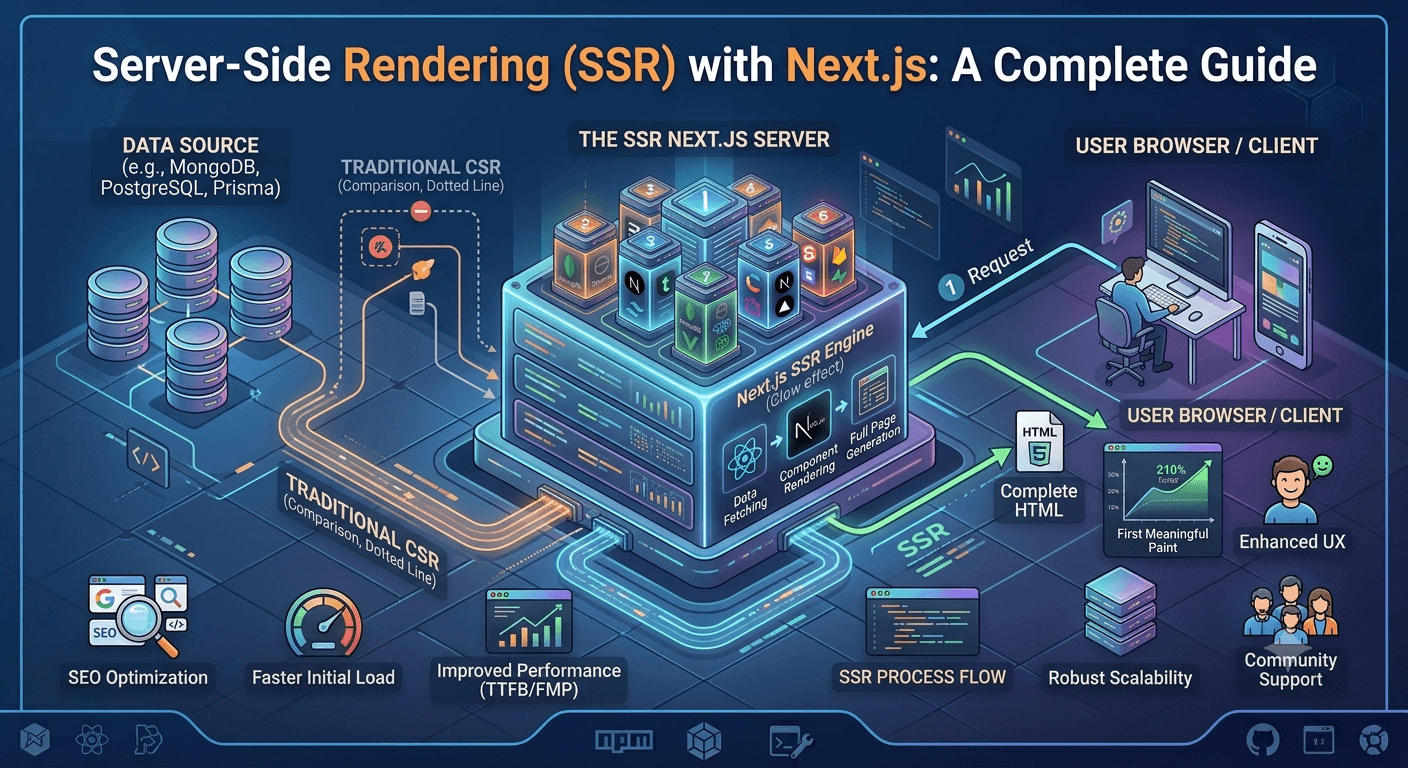
Server-side rendering (SSR) is one of the core ideas behind why Next.js has become so popular for building modern web applications. Instead of sending a mostly-empty HTML page to the browser and letting JavaScript build the interface afterward, SSR generates the fully-rendered HTML on the server first, then sends that complete page to the user.

Choosing the right technology stack is one of the most critical decisions an engineering team or business can make. The combination of programming languages, frameworks, libraries, and databases determines how fast you can scale, how easily you can maintain code, and how secure your platform remains. As we move through 2025, the web development landscape demands tools that minimize loading latency and maximize architectural flexibility.

Repositories store project files and their full revision history. The key difference between the two types comes down to who can see and interact with that code.