Artificial Intelligence (AI) is transforming the world at an incredible pace, from powering chatbots to making accurate predictions in various industries. But how does AI work? In this guide, we’ll break down AI in simple terms, exploring its key components, types, and real-world applications.
What is AI?
AI refers to the ability of machines to simulate human intelligence. It uses algorithms and vast amounts of data to identify patterns, make decisions, and even improve over time. AI isn’t a single technology but a combination of various techniques working together to enhance machine capabilities.
Key Components of AI
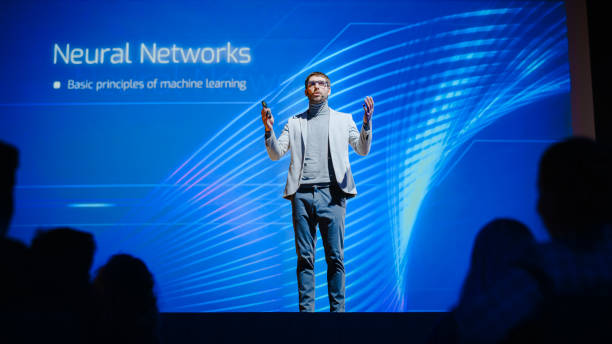
Machine Learning (ML) - This enables machines to learn from data and improve performance without human intervention. For example, streaming services suggest content based on your viewing history.
Deep Learning (DL) - A subset of ML that uses neural networks to analyze complex data and perform tasks like image and speech recognition.
Neural Networks - These are AI models inspired by the human brain, consisting of layers of interconnected nodes that process information.
Natural Language Processing (NLP) - This allows AI to understand and generate human language, like chatbots and virtual assistants.
Computer Vision (CV) - AI can interpret images and videos, enabling features like facial recognition and automatic tagging.
Cognitive Computing - AI mimics human thought processes to make decisions and provide insights, enhancing business intelligence.
Types of AI
Weak AI (Narrow AI) - Designed for specific tasks, like voice assistants and recommendation systems.
Strong AI (General AI) - A future concept where AI can think and learn like a human across multiple tasks.
Superintelligent AI - A theoretical AI that surpasses human intelligence in all areas.
Levels of AI
Reactive AI - Responds to specific inputs but cannot learn from past experiences (e.g., spam filters).
Limited Memory AI - Can learn from past data to improve over time (e.g., self-driving cars).
Theory of Mind AI - A developing AI that aims to understand human emotions and intentions.
Self-Aware AI - A futuristic AI that can possess consciousness and self-awareness (currently fictional).
How Businesses Use AI

Generative AI - Creates text, images, and videos (e.g., AI-powered content writing tools).
Chatbots - Improve customer service by responding to queries instantly.
Product Recommendations - Personalized shopping experiences based on user behavior.
Predictive Analytics - Helps businesses forecast trends and make data-driven decisions.
Marketing Automation - AI-driven insights optimize advertising and customer engagement.
Operational Automation - AI streamlines repetitive tasks, improving efficiency.
Accessibility Enhancement - AI tools make digital content more accessible for users with disabilities.
Conclusion
AI is revolutionizing industries by automating tasks, improving efficiency, and enhancing decision-making. As technology advances, AI will continue to play an even greater role in our daily lives. Whether you’re a business owner, developer, or tech enthusiast, understanding AI is essential for leveraging its potential.